Discover the health benefits of Ragi Flour – a nutrient-rich superfood that boosts weight loss, controls diabetes & strengthens bones naturally. Then look no further than this blog through Nam Samaiyal.
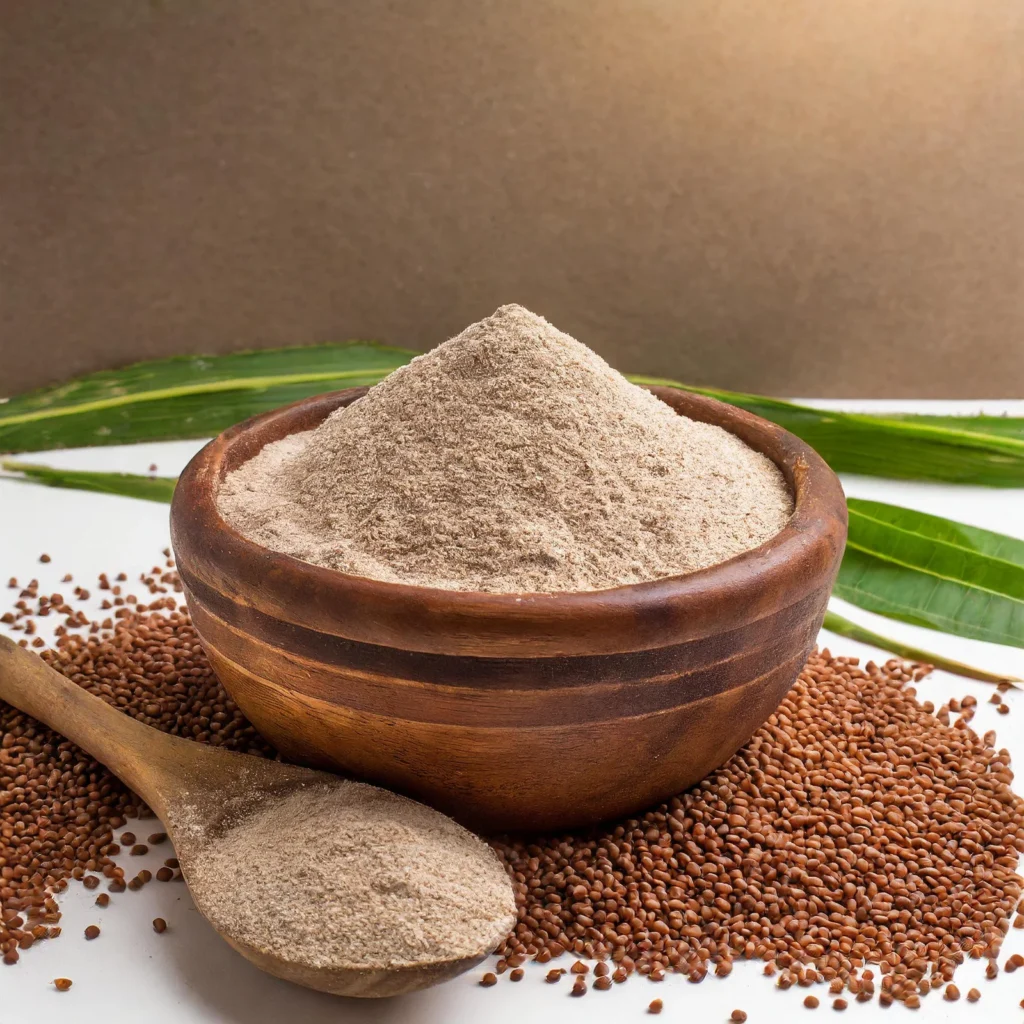
The health benefits of Ragi Flour are truly amazing. Known as Finger Millet, Ragi is one of India’s most traditional and nutrient-rich grains. Packed with calcium, fiber, and iron, it supports weight loss, diabetes management, heart health, and overall wellness. According to the National Institute of Nutrition (India), 100g of ragi contains nearly 344mg of calcium, making it one of the richest plant-based sources of this vital mineral.
In this blog, we’ll explore the top 10 proven health benefits of Ragi Flour, why it’s called a superfood, and how you can add it to your daily diet. Ragi Flour improves digestion, controls blood sugar & strengthens immunity. Discover nutrition stats & why it’s called a super grain.
1. Rich Source of Calcium for Strong Bones
One of the biggest health benefits of Ragi Flour is its high calcium content. According to the National Institute of Nutrition, India, 100g of ragi provides 344mg of calcium, much higher than rice or wheat. This makes it excellent for children, women, and the elderly to prevent osteoporosis and maintain strong bones.
2. Helps Manage Diabetes Naturally
Ragi flour has a low glycemic index, meaning it releases sugar slowly into the bloodstream. This prevents sudden spikes in blood sugar. A 2019 study in the Journal of Food Science and Technology found that millet-based diets lowered the risk of type 2 diabetes significantly.
3. Boosts Heart Health
Another important health benefit of Ragi Flour is its ability to protect the heart. Being rich in dietary fibre and polyphenols, it reduces bad cholesterol (LDL) and supports cardiovascular wellness.
4. Aids Weight Management
Ragi keeps you full for longer due to its high fiber content. This reduces unwanted cravings and helps in weight loss. Nutritionists often recommend ragi porridge or roti for people trying to shed extra kilos.
5. Rich in Iron – Fights Anemia
Ragi is an excellent plant-based source of iron. Consuming ragi flour regularly can improve hemoglobin levels and prevent anemia, especially in women and children.
6. Gluten-Free & Good for Digestion
Unlike wheat, ragi is naturally gluten-free, making it safe for people with celiac disease or gluten sensitivity. Its high fiber content also improves digestion and prevents constipation.
Website: https://www.nin.res.in
7. Good for Skin and Hair Health
Ragi contains essential amino acids like methionine and lysine that support collagen production, keeping skin youthful and hair strong. Many nutritionists call ragi a “natural anti-aging grain.”
8. Rich in Antioxidants
Ragi is packed with polyphenols that fight free radicals in the body. This helps reduce oxidative stress, slow down aging, and lower the risk of chronic diseases.
9. Supports Lactating Mothers
Traditionally in South India, ragi porridge is given to new mothers. The calcium, iron, and amino acids in ragi boost milk production and improve postnatal health.
10. Strengthens Immunity
Packed with vitamins, minerals, and antioxidants, ragi flour supports the immune system. Regular intake can improve resistance against seasonal infections.
⚡ Quick Stat:
According to ICAR-Indian Institute of Millets Research, India produces more than 1.78 million tonnes of ragi annually, and Karnataka alone accounts for nearly 65% of the country’s production. This shows how important ragi is in South Indian diets.
❓ Frequently Asked Questions (FAQs) About Ragi Flour
1. What is ragi flour?
Ragi flour is made from finger millet, a nutrient-rich cereal grain commonly used in South Indian cooking.
2. Is ragi flour gluten-free?
Yes! Ragi is naturally gluten-free, making it safe for people with gluten intolerance or celiac disease.
3. What are the main health benefits of ragi flour?
It’s rich in calcium, iron, fiber, and antioxidants, which support bone health, digestion, weight loss, and diabetes management.
4. Is ragi good for diabetes patients?
Yes. Ragi has a low glycemic index, which helps control blood sugar levels and prevents sudden spikes.
5. Can ragi flour help with weight loss?
Absolutely. The high fiber in ragi keeps you full for longer and helps reduce unhealthy snacking.
6. Is ragi better than wheat?
Nutritionally, ragi contains more calcium, iron, and fiber than wheat. Plus, it is gluten-free, unlike wheat.
7. Can children eat ragi flour?
Yes, ragi porridge is highly recommended for babies and children as it supports bone development and overall growth.
8. Is ragi good for pregnant women?
Yes. Ragi is rich in iron, calcium, and folic acid, which are essential during pregnancy for both mother and baby.
9. Does ragi help with anemia?
Yes. Ragi is a good plant-based source of iron and helps increase hemoglobin levels naturally.
10. Can ragi be eaten daily?
Yes, you can include ragi daily in your diet in the form of porridge, roti, dosa, or idiyappam.
11. Is ragi good for heart health?
Yes. Ragi helps reduce cholesterol, improves blood circulation, and supports heart health.
12. Is ragi flour easy to digest?
Yes. Ragi is light on the stomach, rich in fiber, and aids digestion.
13. Does ragi improve skin and hair health?
Yes. Ragi contains amino acids and antioxidants that promote youthful skin and healthy hair.
14. Can ragi be eaten for dinner?
Yes, but in moderation. Since ragi is rich in fiber, it may feel heavy at night. Light recipes like ragi dosa or ragi soup are ideal.
15. Is ragi flour suitable for elderly people?
Yes. Its high calcium strengthens bones, while its fiber helps with digestion, making it perfect for seniors.
16. Can ragi be given to lactating mothers?
Yes. Traditionally, ragi porridge is recommended for nursing mothers to boost milk production and energy levels.
17. Is ragi good for weight gain?
Yes. While ragi is usually used for weight loss, when taken with milk, ghee, or jaggery, it can also support healthy weight gain.
18. What is the best time to eat ragi?
Morning is the best time, as ragi provides lasting energy for the day.
19. Does ragi contain protein?
Yes, ragi is a good plant-based protein source, especially important for vegetarians.
20. How can I add ragi flour to my daily diet?
You can make porridge, roti, dosa, idli, cookies, laddus, or even mix ragi flour with wheat flour for chapatis.
This is created by the team